Projects

Reviewable technical work

This page is organized to help reviewers see direction first, then evidence. The flagship projects below are the most relevant to how I currently think about secure software, auditability, workflow integrity, and defensive configuration.
Flagship Project 01

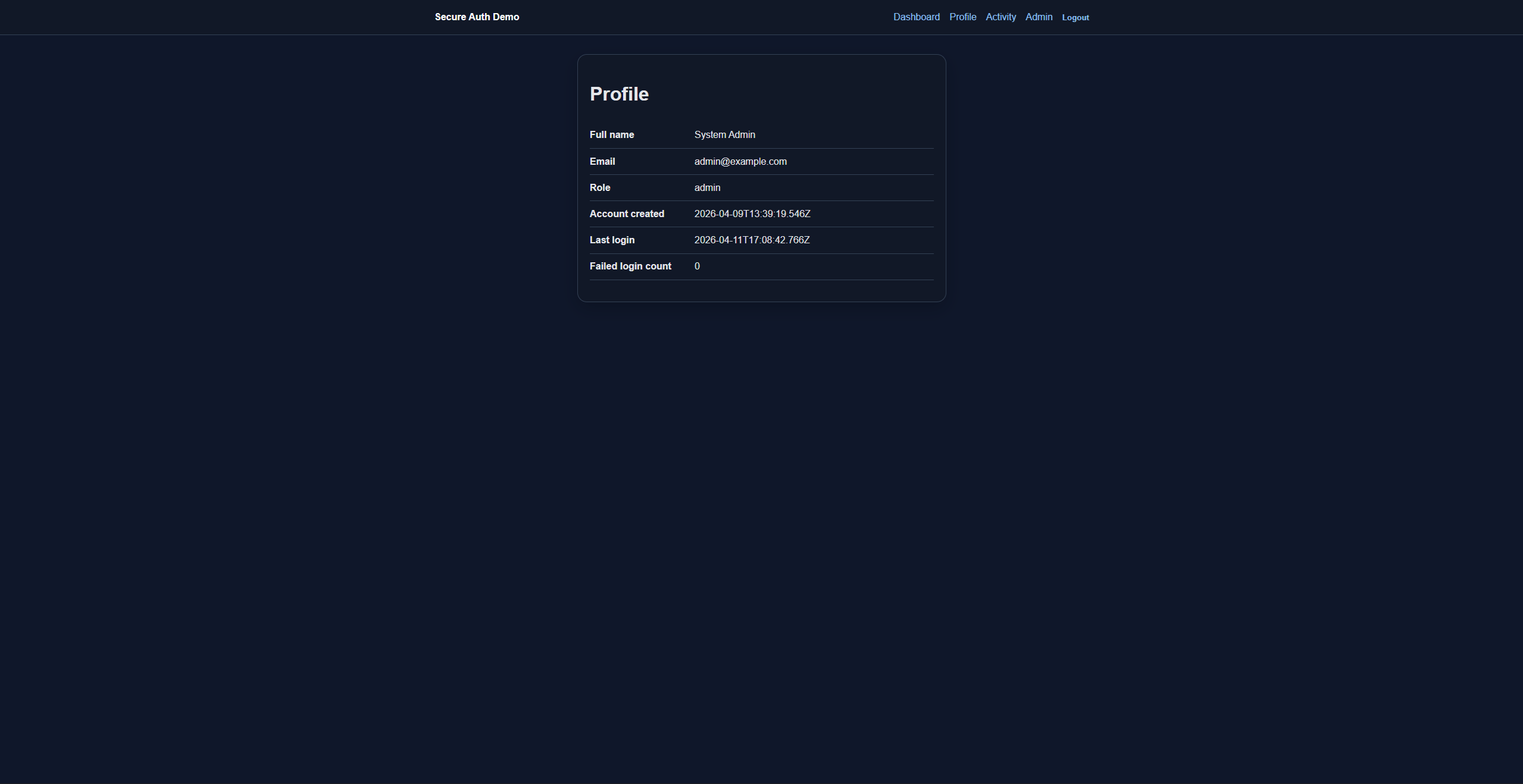
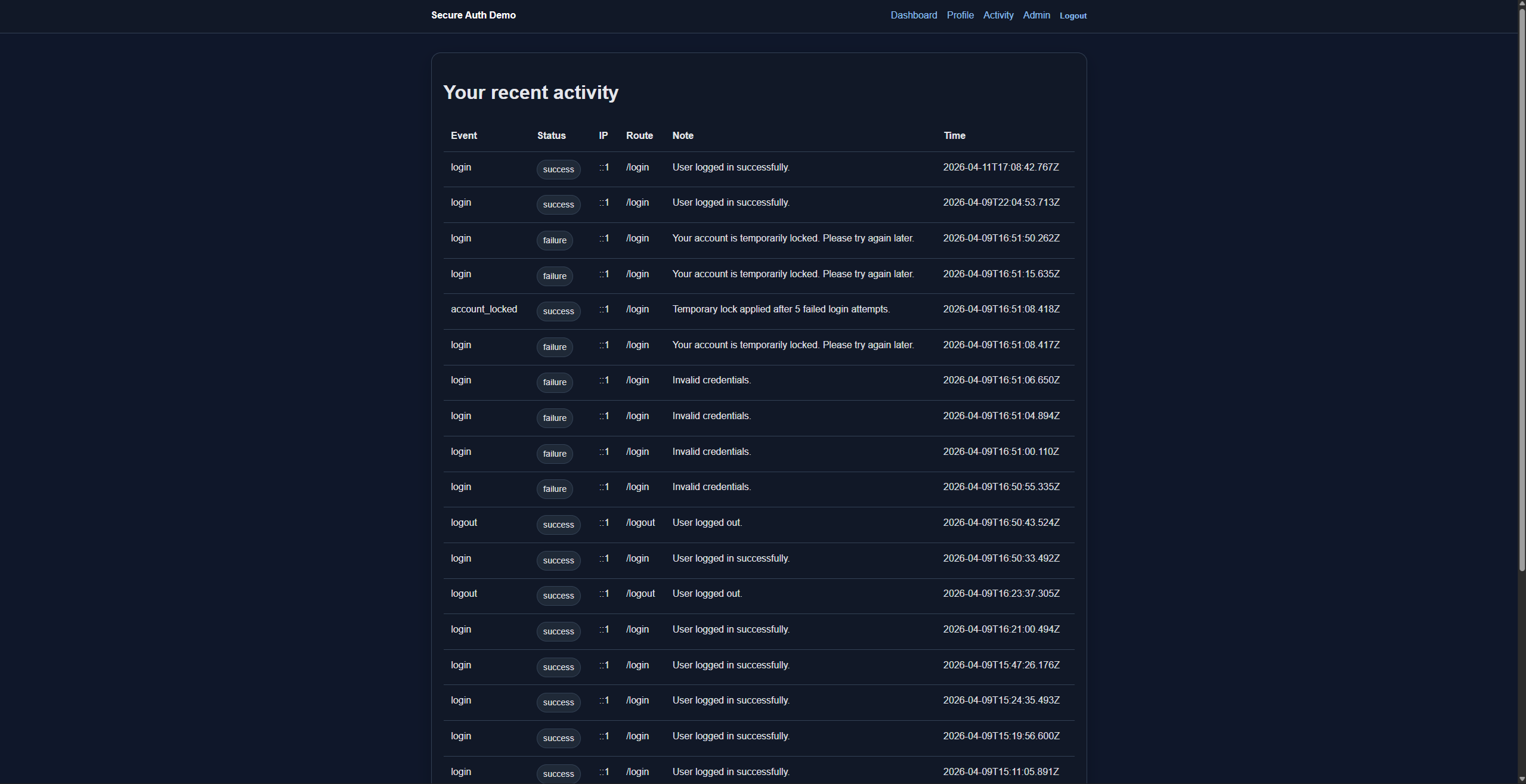
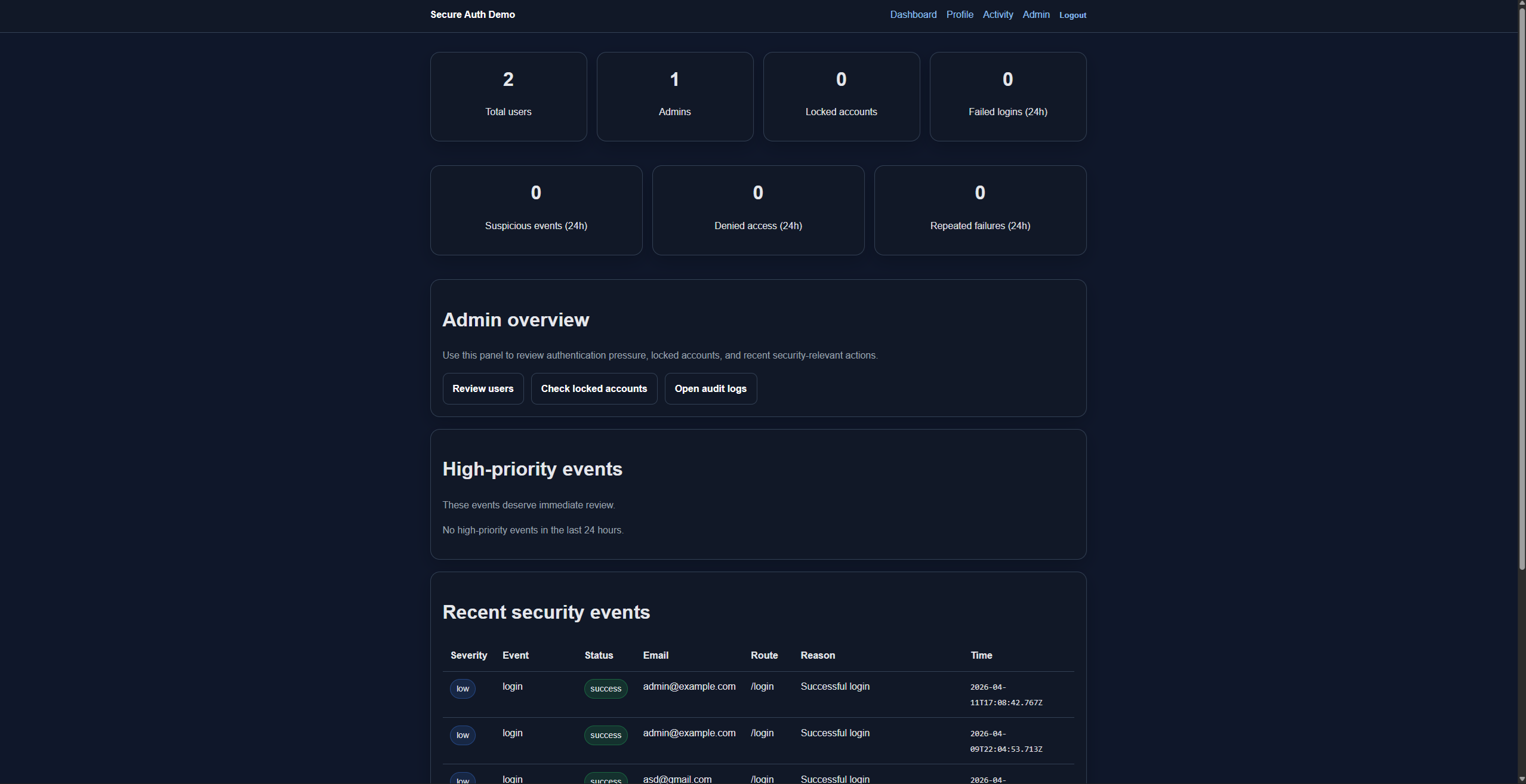
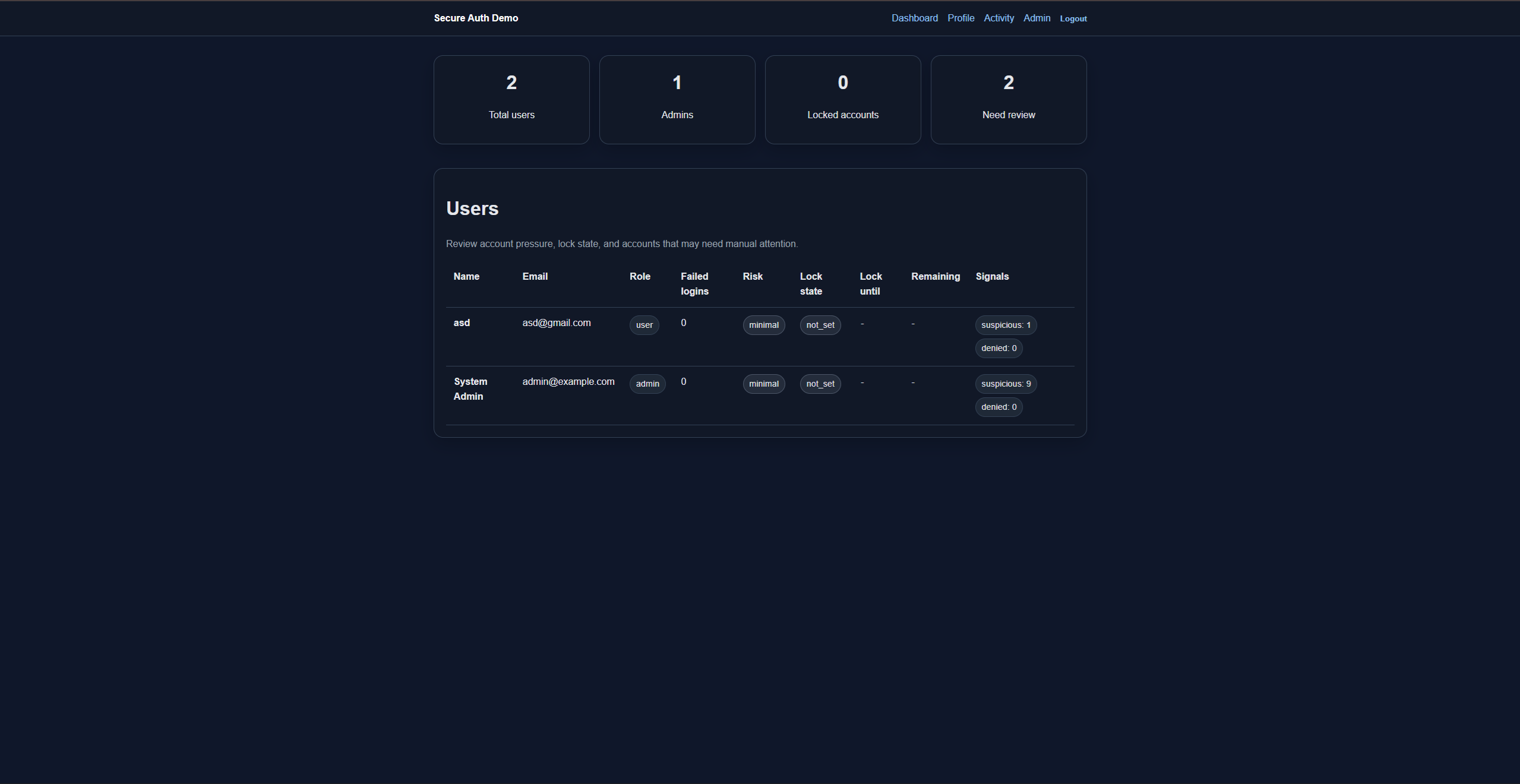
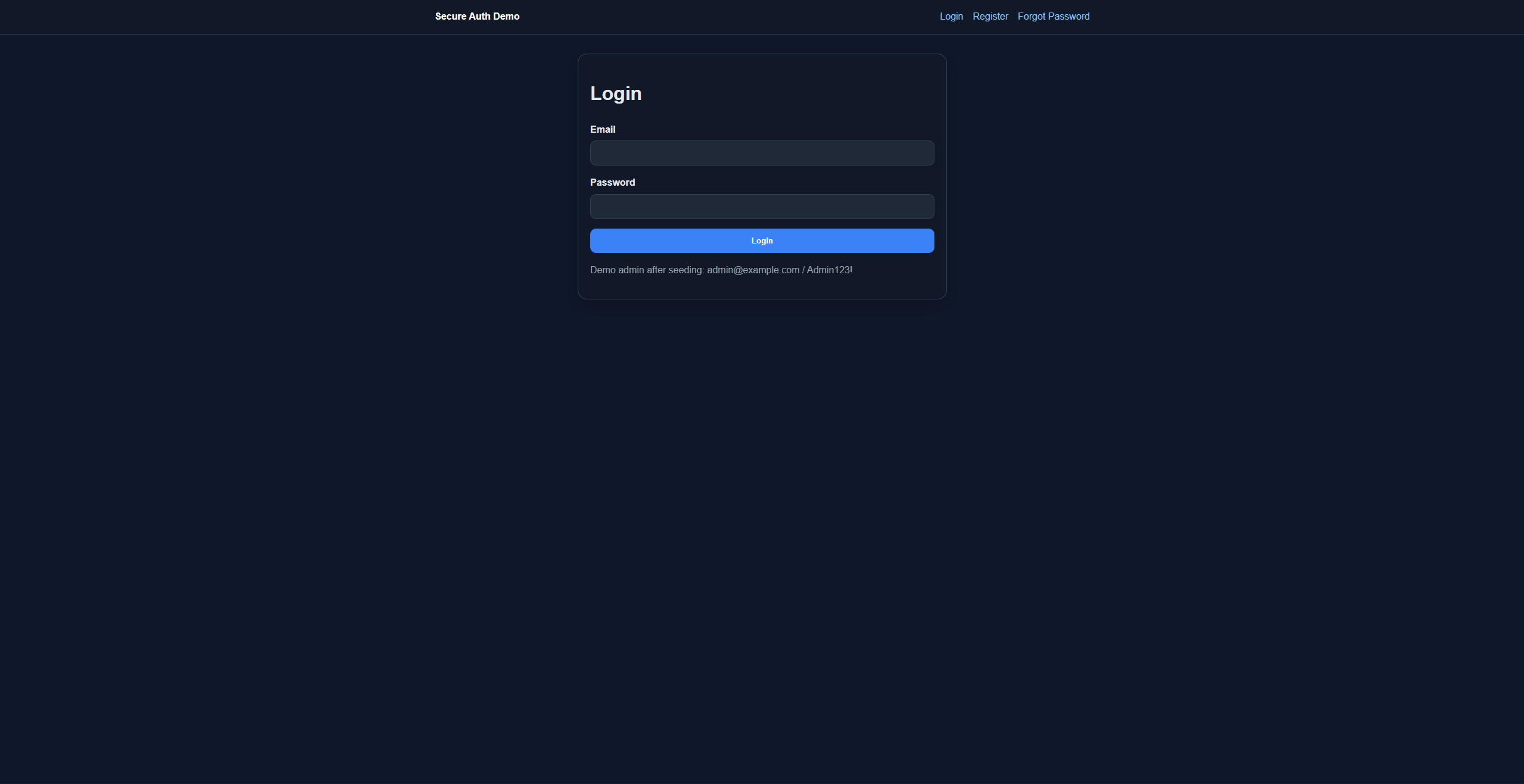
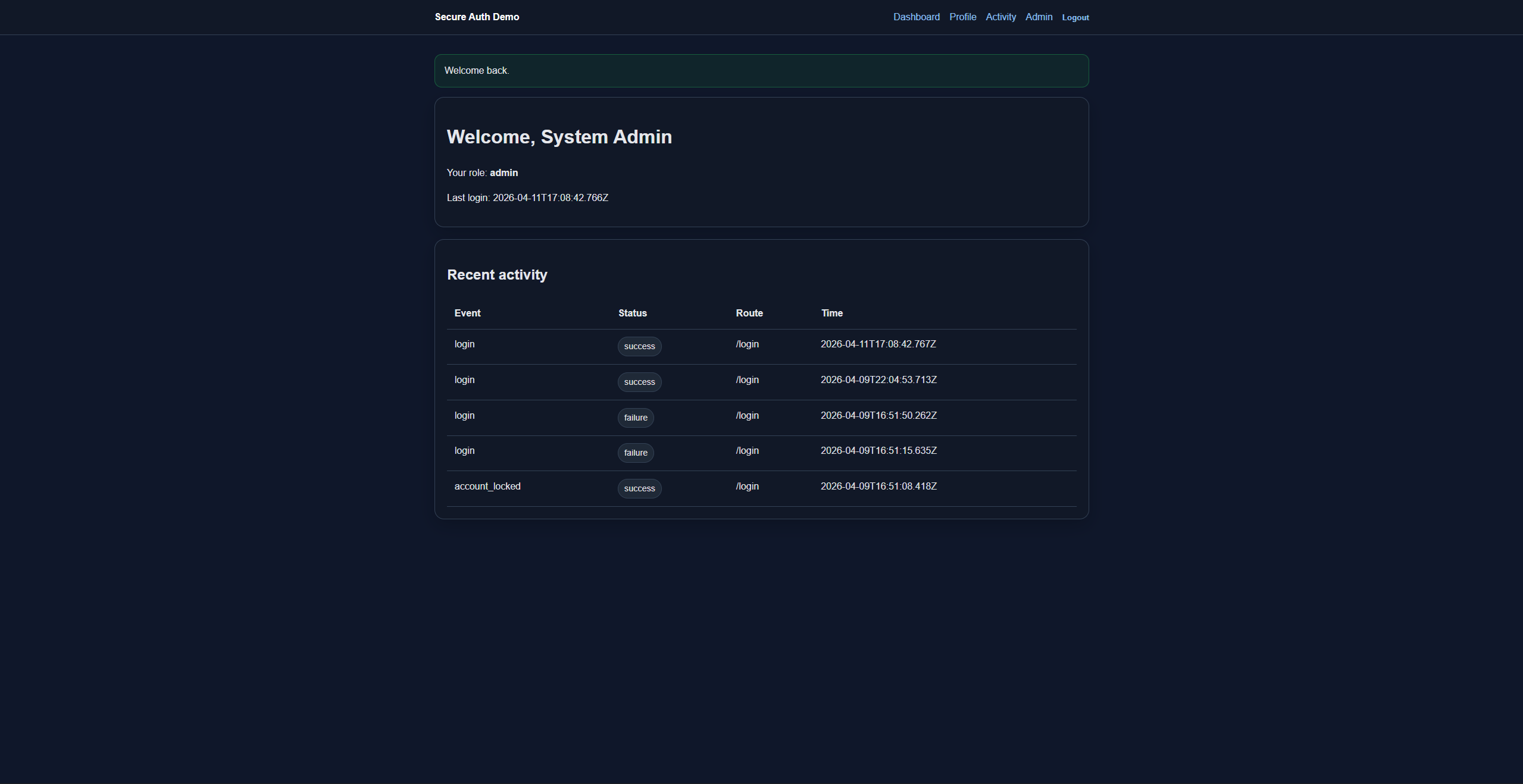
Secure Auth & Admin Panel Demo

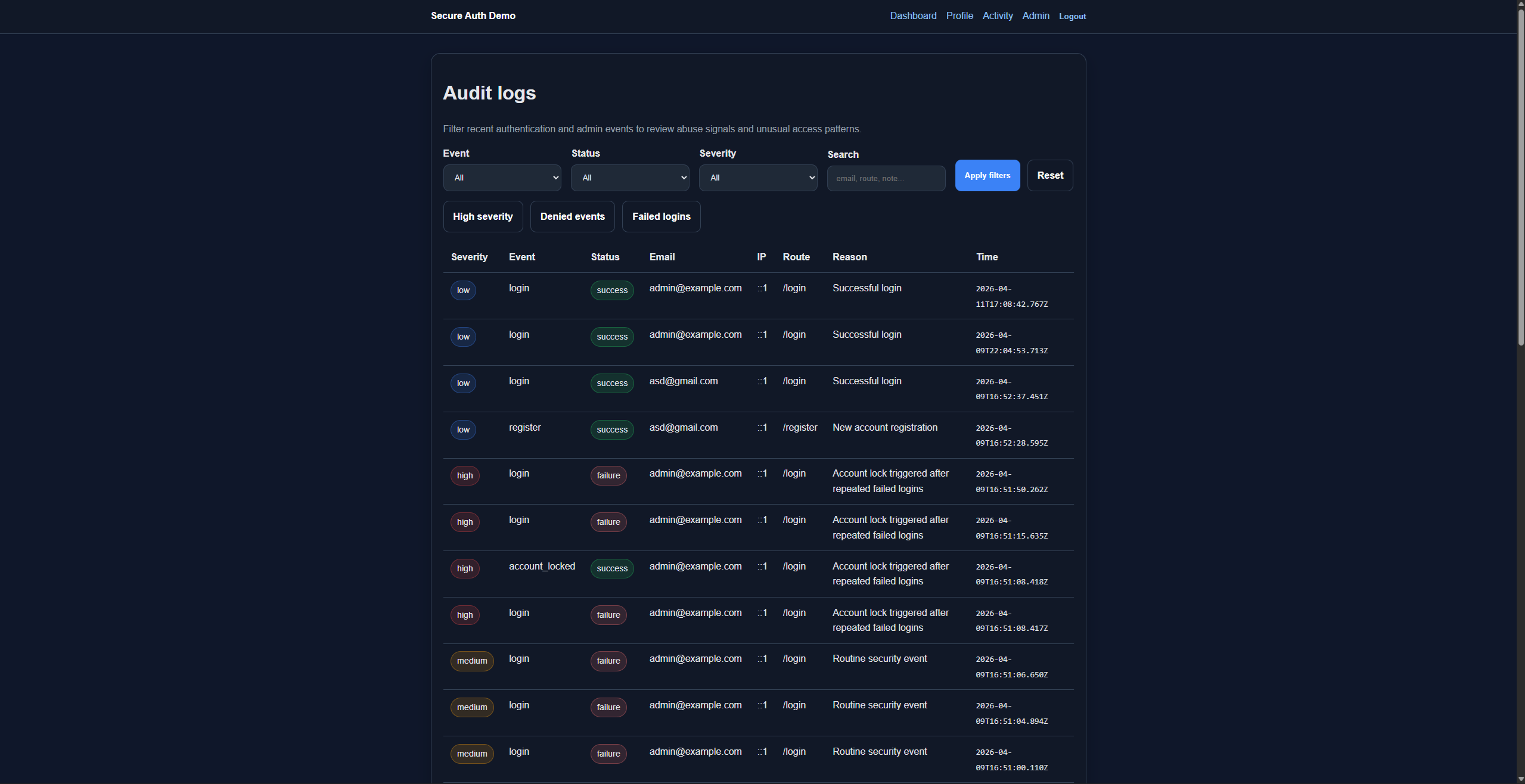
Security-focused authentication demo showing session-based auth, backend RBAC, CSRF protection, rate limiting, temporary lockout, and audit visibility.

Express RBAC CSRF Audit Logging

What it demonstrates

  • secure authentication flow design
  • backend-enforced authorization
  • misuse visibility and audit review

Reviewer notes

  • focus on session handling, lockout behavior, and role separation
  • review backend checks before spending time on UI details
  • audit-oriented visibility is part of the design, not an afterthought

Why it matters

The value of this project is not just login functionality. It shows deliberate control design: how access is enforced on the backend, how common misuse patterns become visible, and how reviewers can inspect the logic quickly.

Best way to review

Start with the README, then inspect auth middleware, authorization rules, and the logging or review surface that exposes sensitive actions.

Screenshots

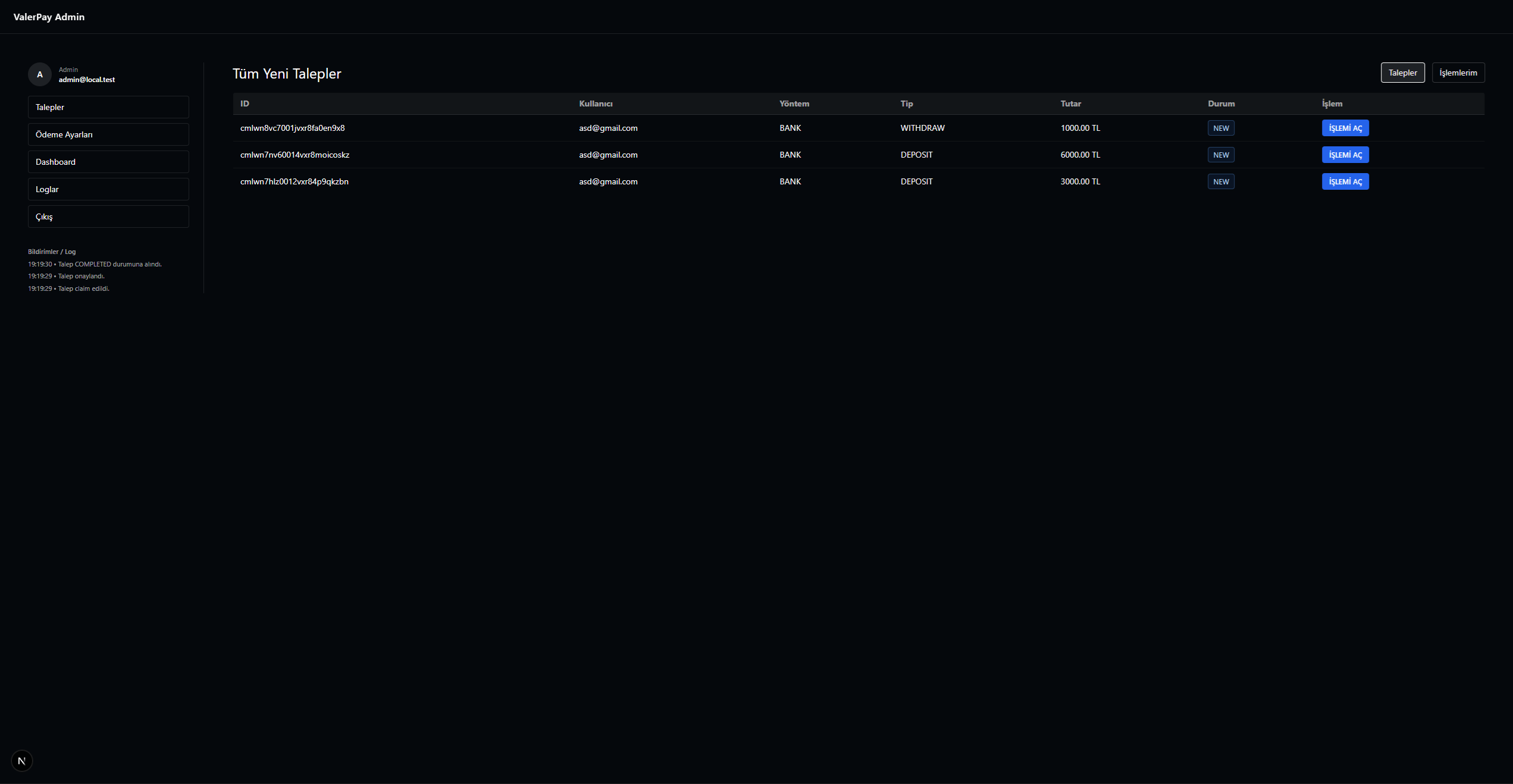
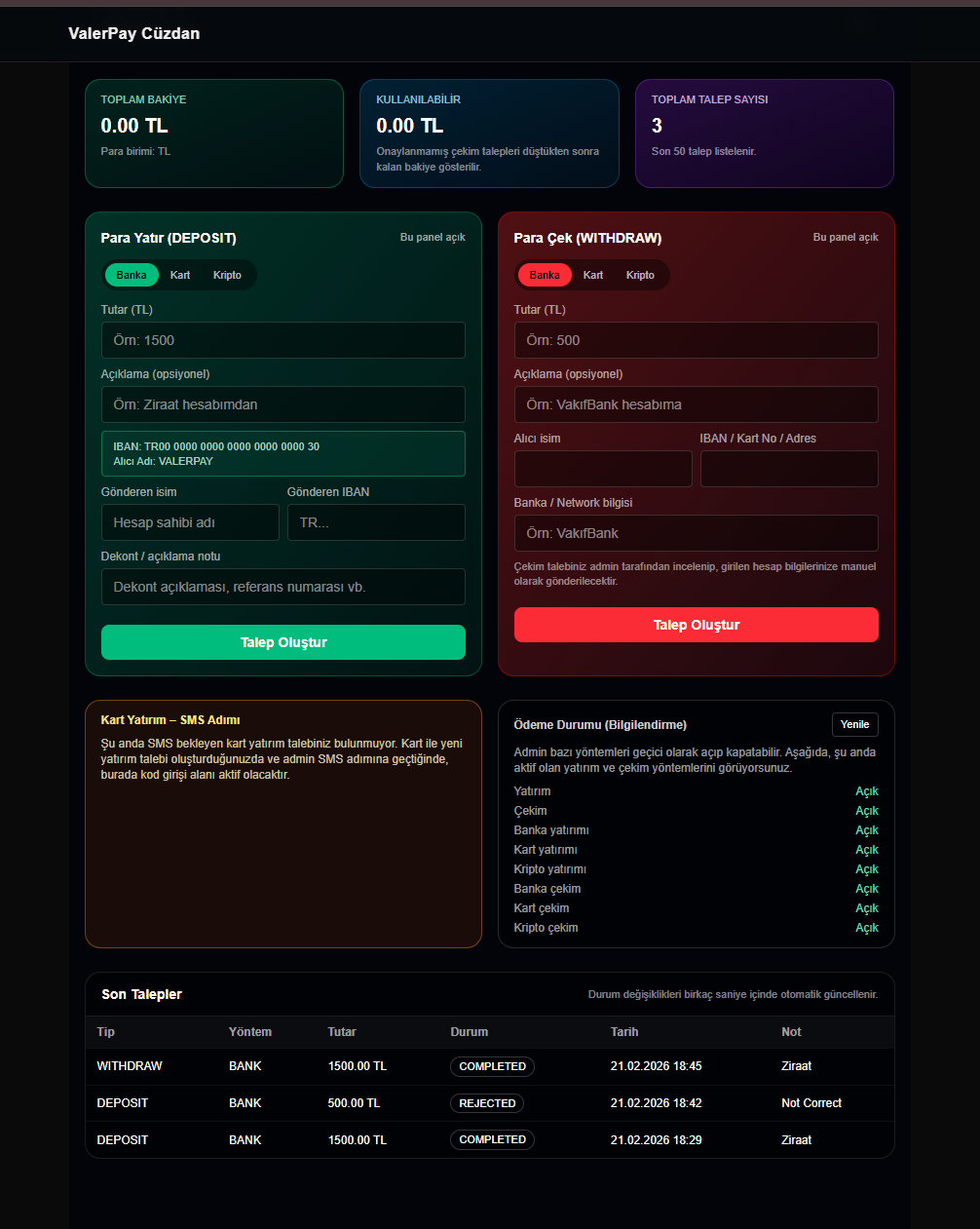
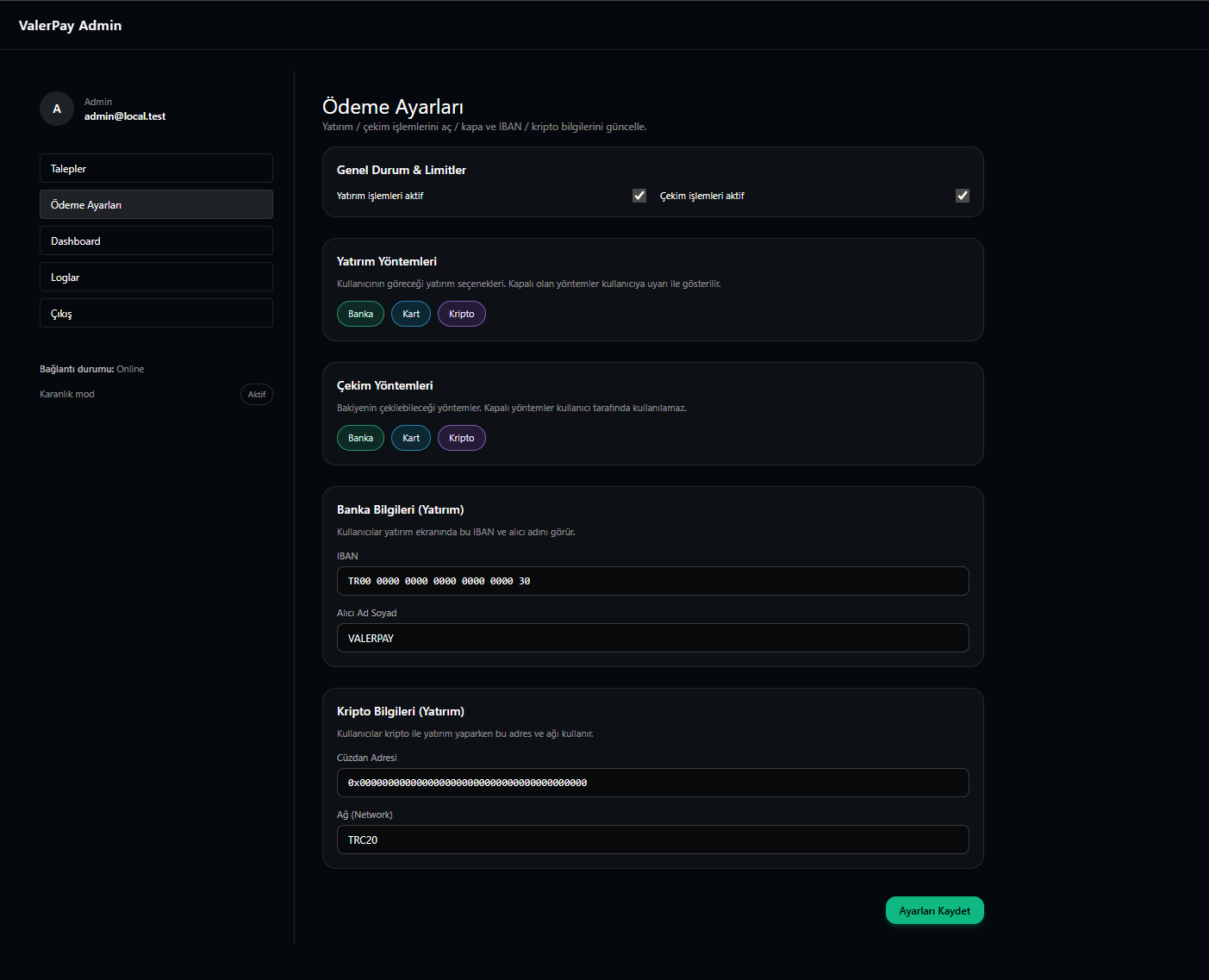
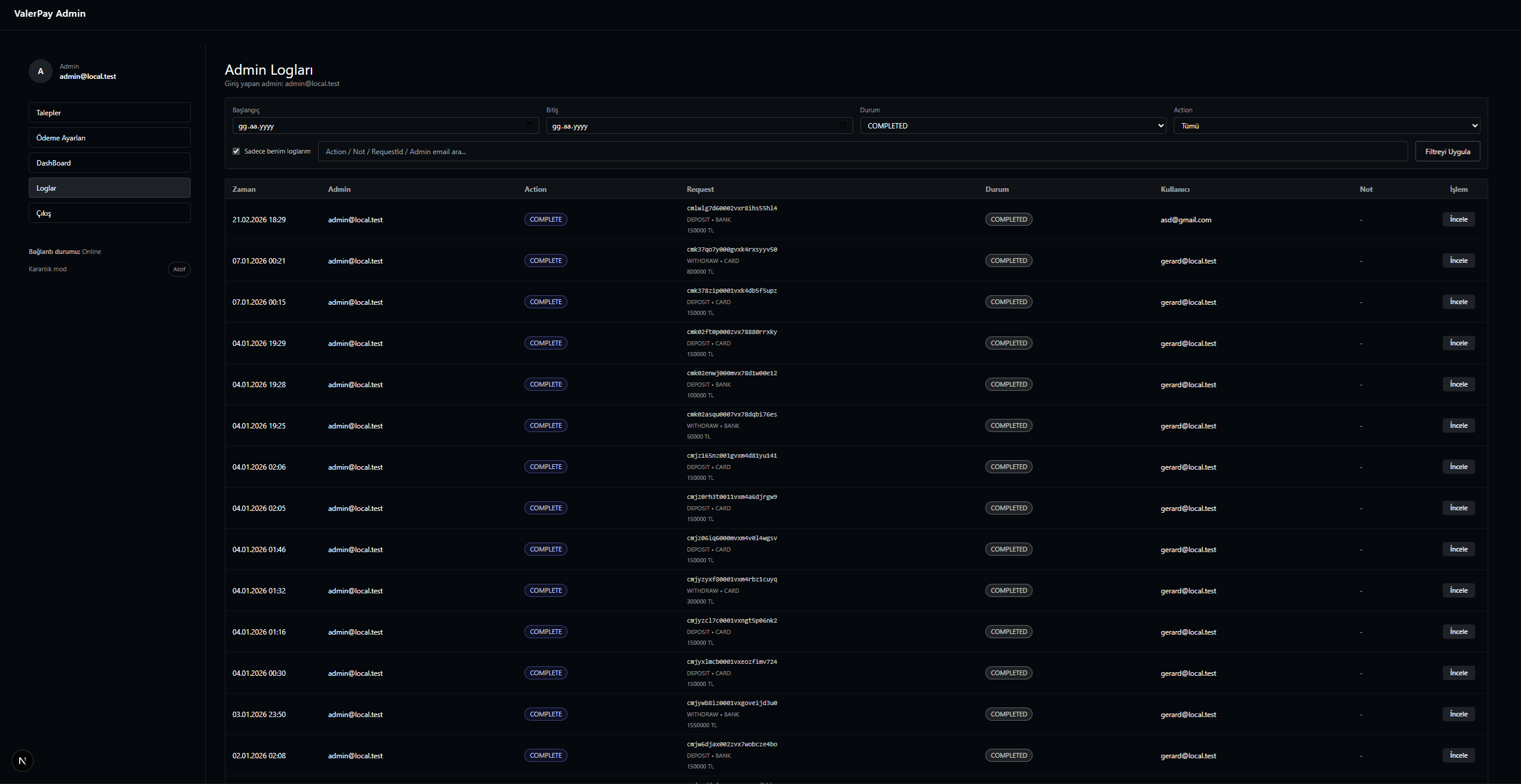
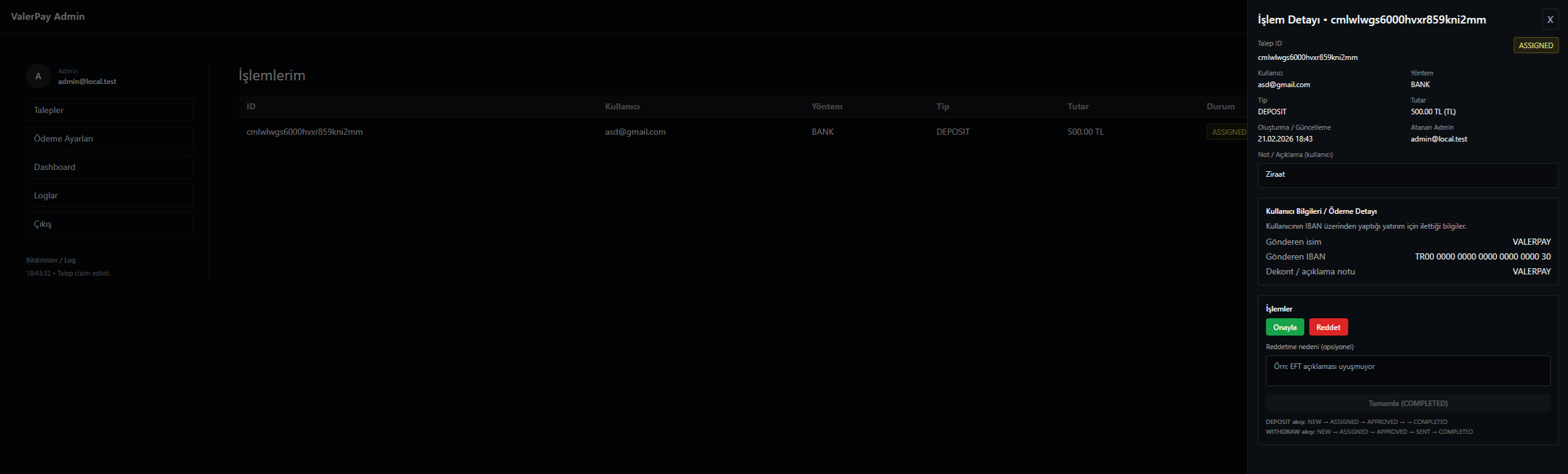
The gallery uses a clean review-first layout so screenshots stay readable and aligned as more images are added.

ValerPay screenshot 1
ValerPay screenshot 2
ValerPay screenshot 3
ValerPay screenshot 5

Flagship Project 02

ValerPay

Workflow-integrity payment demo built around ledger-based balances, role separation, controlled request states, and reviewer-friendly backend logic.

NestJS Prisma Next.js Ledger

What it demonstrates

  • integrity-first workflow design
  • controlled state transitions
  • auditability across multi-actor processes

Reviewer notes

  • look at how balances are derived instead of edited directly
  • review constrained request states and actor separation
  • focus on backend integrity before visual polish

Why it matters

This project was selected because it makes backend integrity visible. Balances are derived from immutable ledger lines, state changes are constrained, and reviewer-facing logic is easier to follow than a generic CRUD demo.

Best way to review

Start with the README and request lifecycle. Then inspect ledger rules, role separation, and how state changes stay controlled across operators and admins.

Screenshots

The gallery uses a clean review-first layout so screenshots stay readable and aligned as more images are added.

Secure Auth & Admin Panel Demo screenshot 2
Secure Auth & Admin Panel Demo screenshot 3
Secure Auth & Admin Panel Demo screenshot 4
Secure Auth & Admin Panel Demo screenshot 5
Secure Auth & Admin Panel Demo screenshot 1

Flagship Project 03

Linux Hardening Lab

Defensive Ubuntu Server hardening lab documenting baseline review, SSH/UFW/fail2ban/AppArmor decisions, verification steps, and recovery notes.

Ubuntu Server SSH UFW Fail2ban AppArmor

What it demonstrates

  • defensive system configuration
  • before/after verification mindset
  • tradeoff awareness and recoverability

Reviewer notes

  • review baseline collection before hardening steps
  • look for verification after each meaningful change
  • pay attention to tradeoff notes and recovery awareness

Why it matters

This project is useful because it treats hardening as a documented decision process. The important signal is not only which controls were added, but also how the baseline was checked, how changes were verified, and how recovery was considered.

Best way to review

Read the project as a defensive operations walkthrough: baseline, change, verification, and operational consequences.

What I Emphasize

The recurring pattern across the flagship work

security-aware design, not only implementation
reviewable systems and clear technical documentation
traceability for important actions and decisions
practical controls with verification and tradeoff awareness

Supporting Projects

Smaller demos kept for progression

These projects are intentionally secondary. They help show progression in structure, UI flow, and JavaScript fundamentals, but they are not the center of the portfolio narrative.

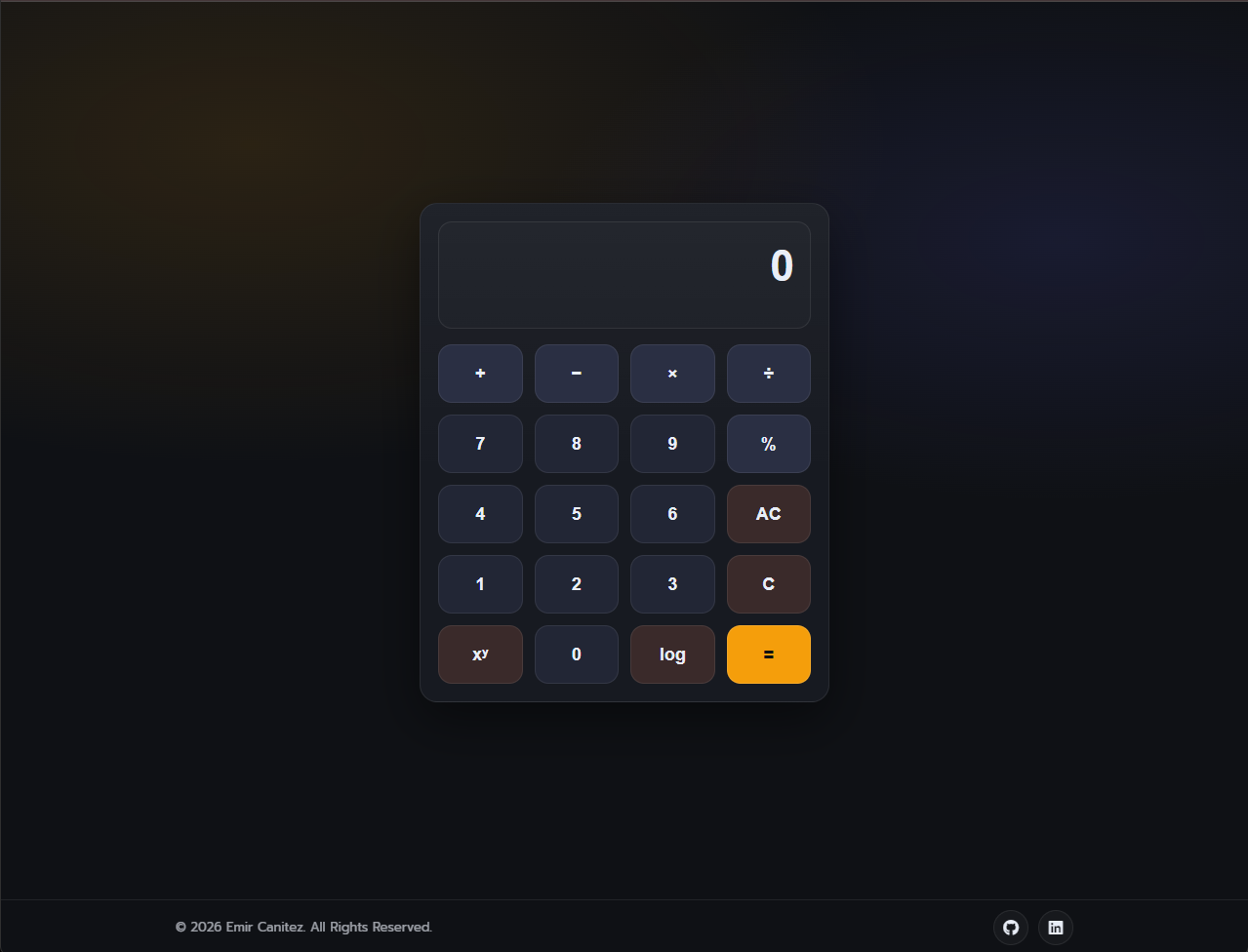
Calculator project screenshot

Calculator Web App

Small JavaScript UI demo showing event handling, predictable interactions, and simple layout discipline.

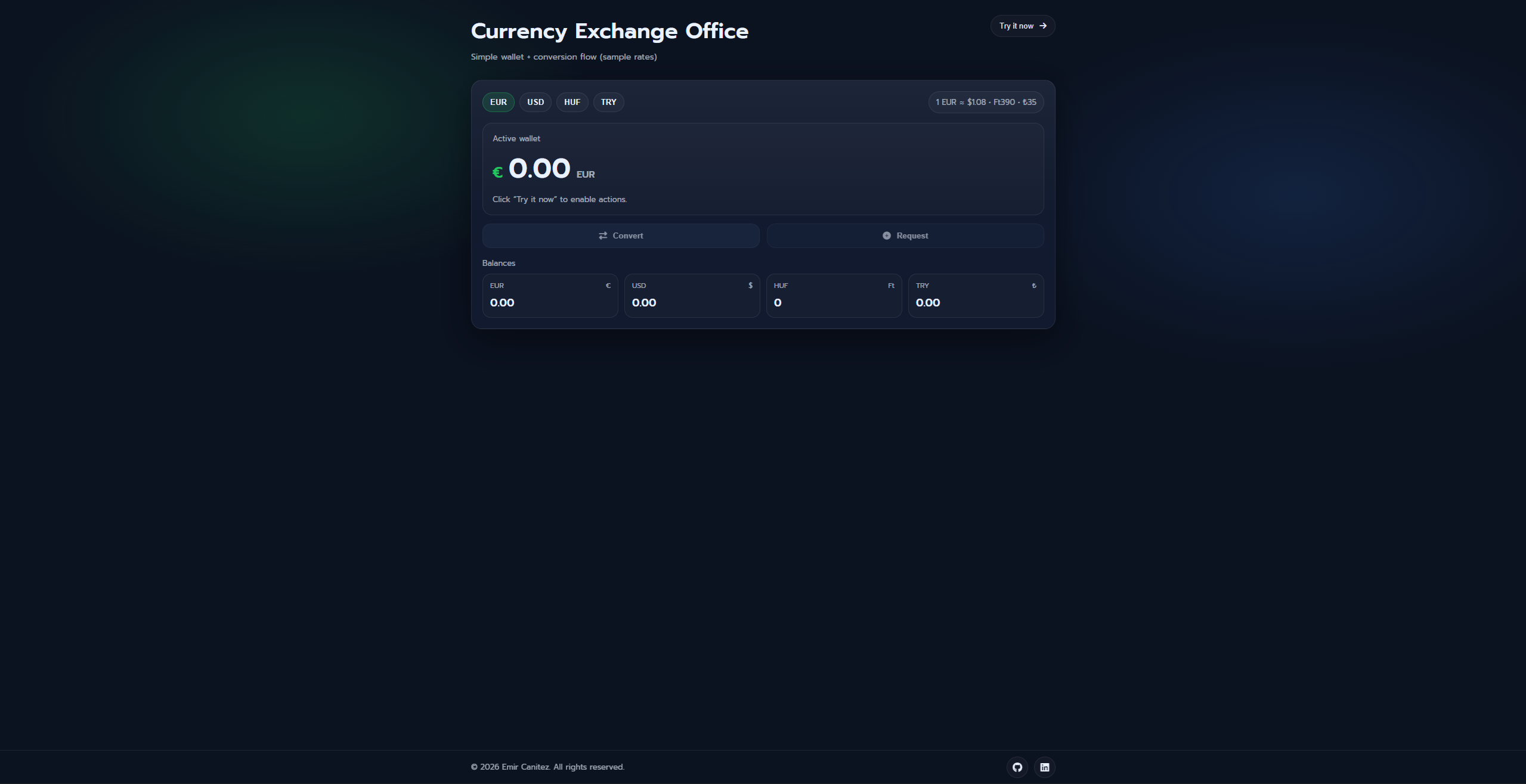
Currency Exchange Office screenshot

Currency Exchange Office

Multi-screen front-end demo showing UI structure, validation-oriented thinking, and user-flow organization.

Renters.hu screenshot

Renters.hu

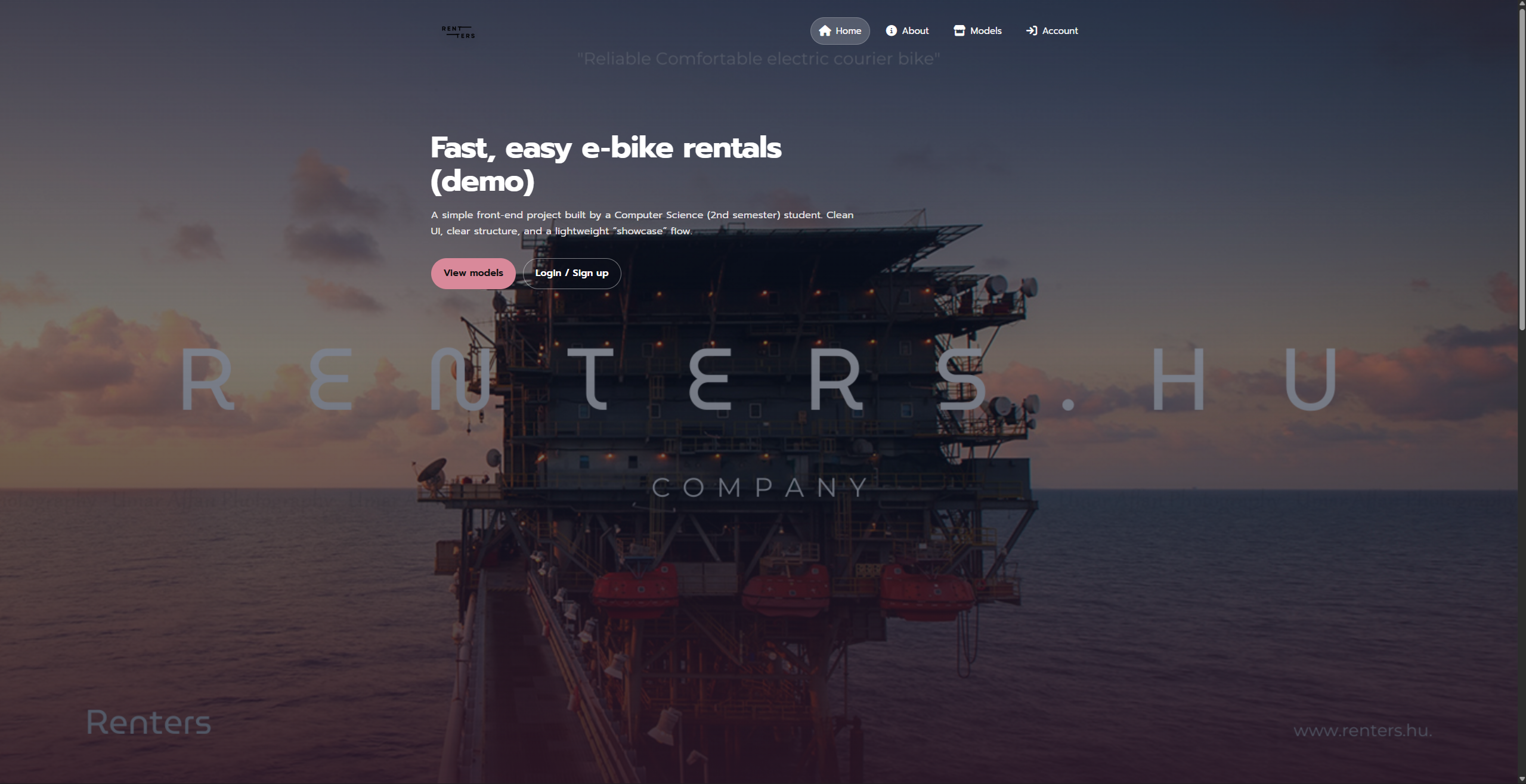
Landing-page style demo showing responsive layout work, presentation discipline, and clearer front-end structure over time.